Jerusalem July 9

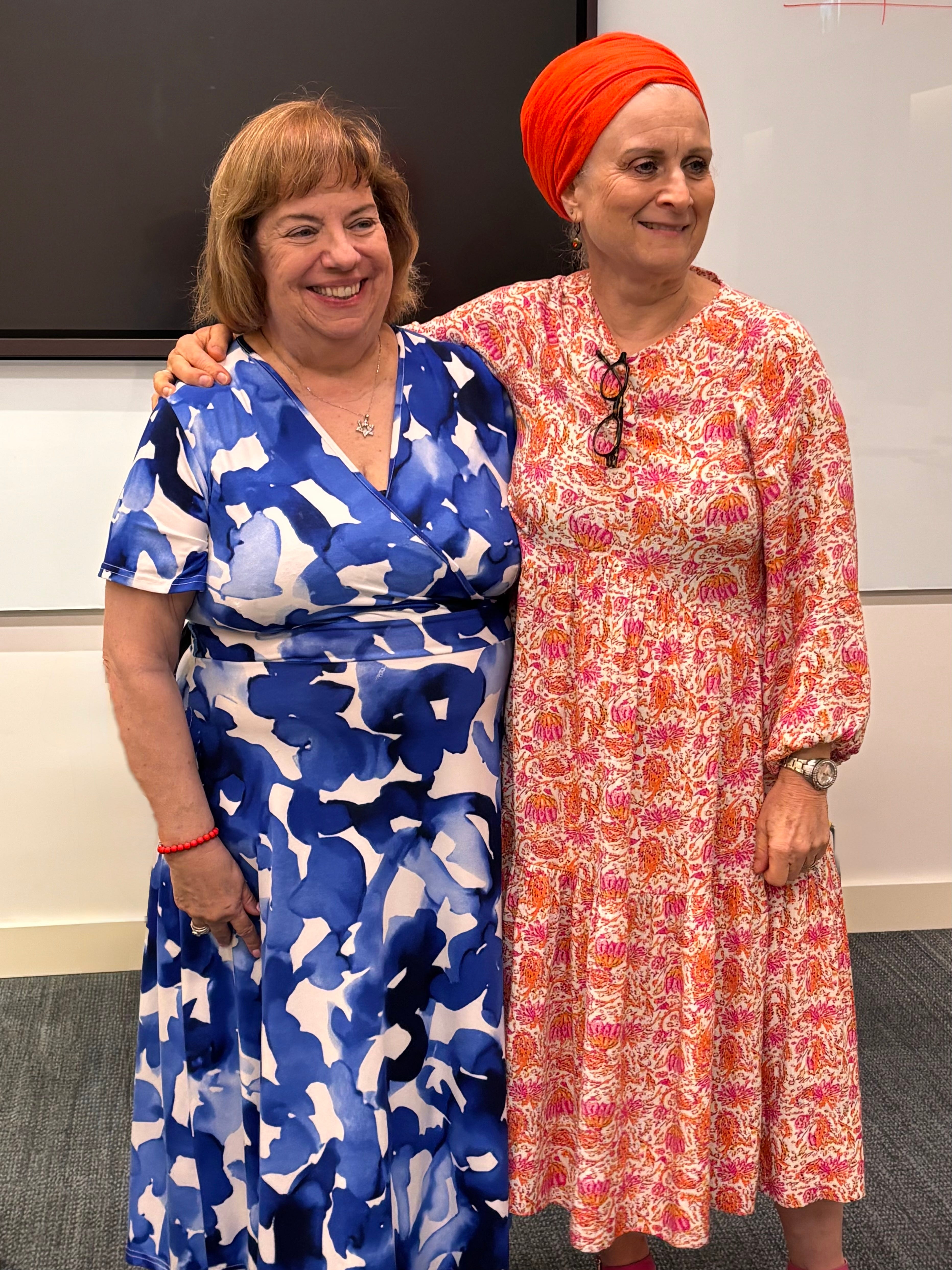
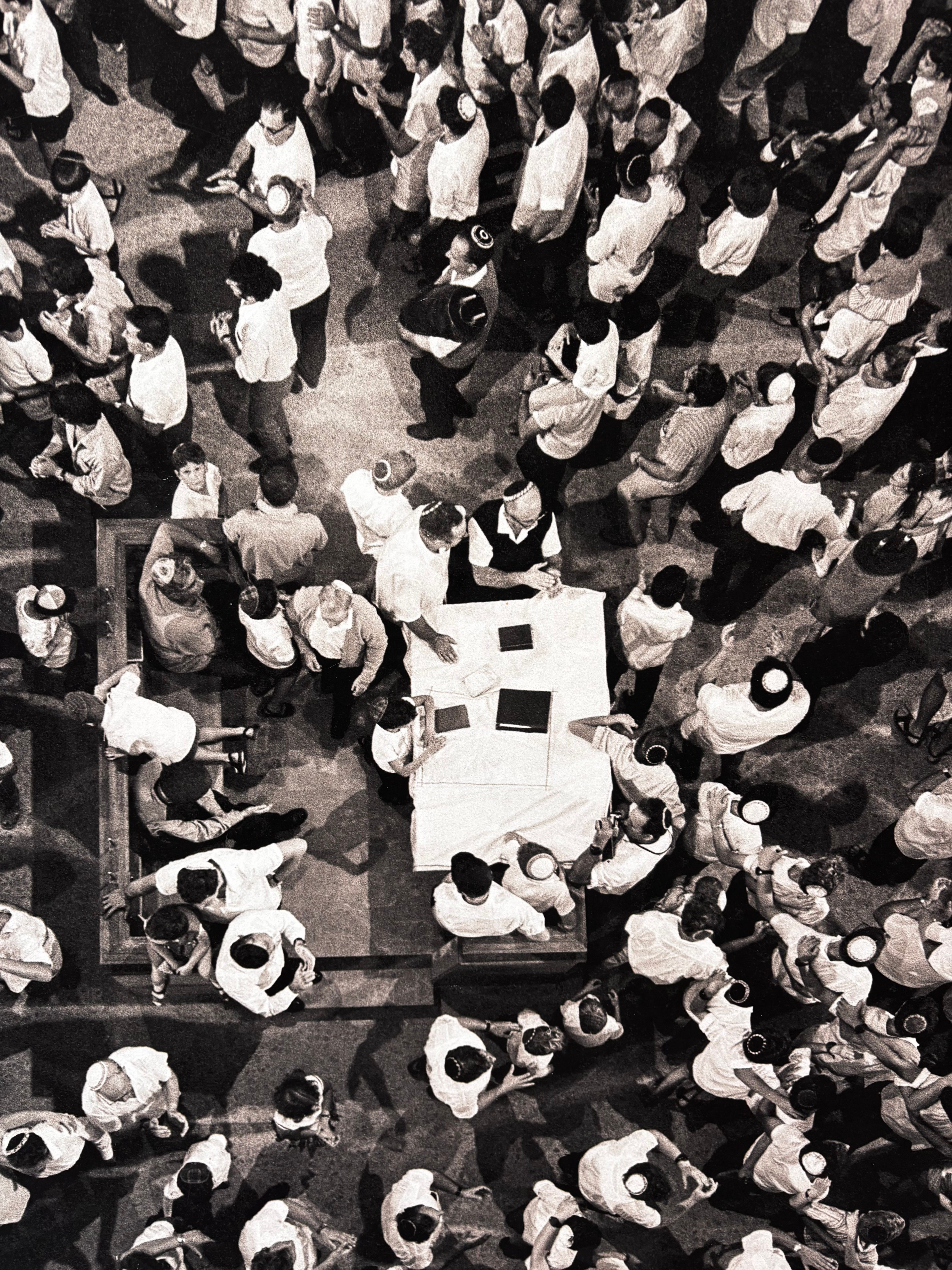
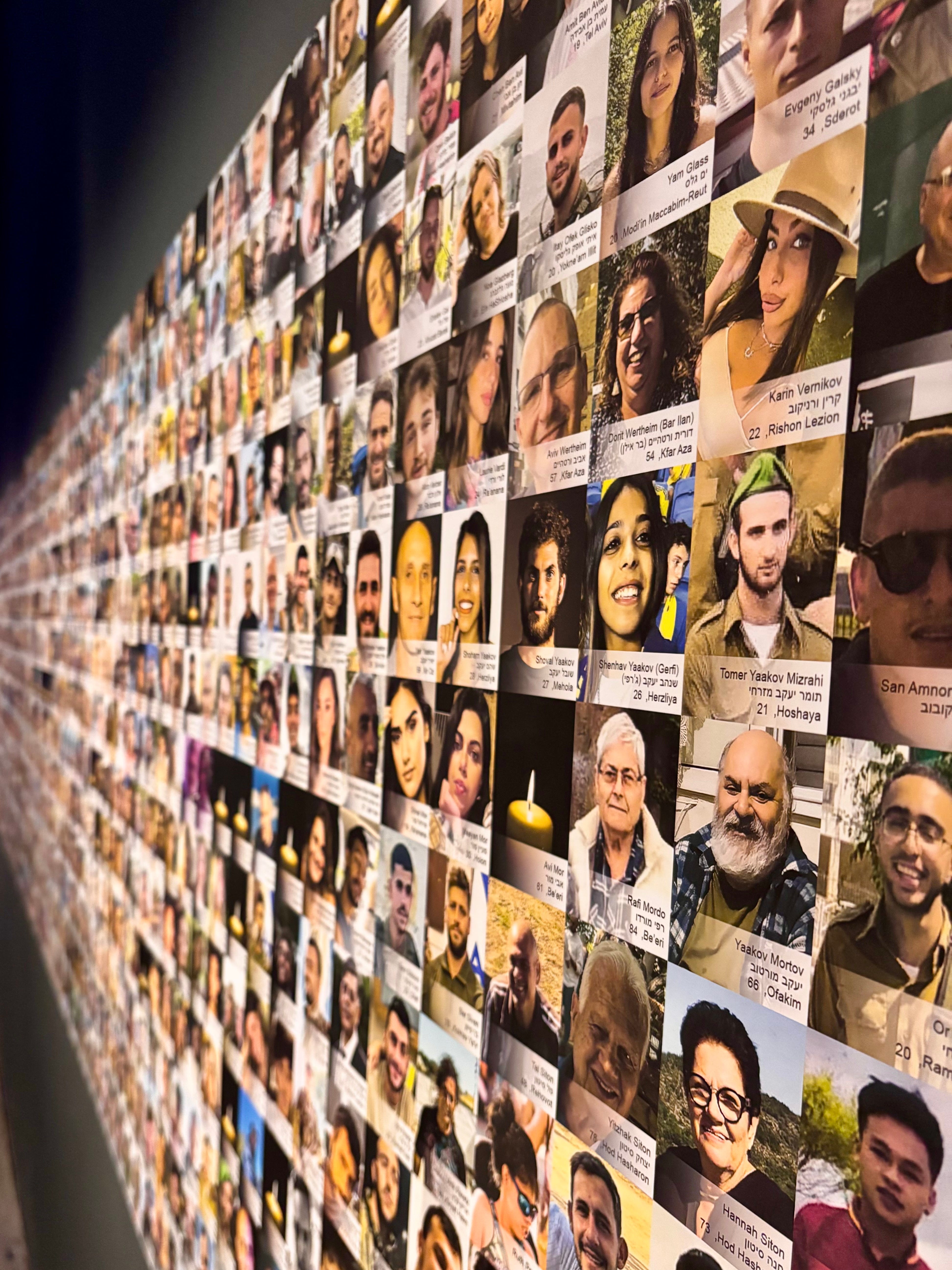
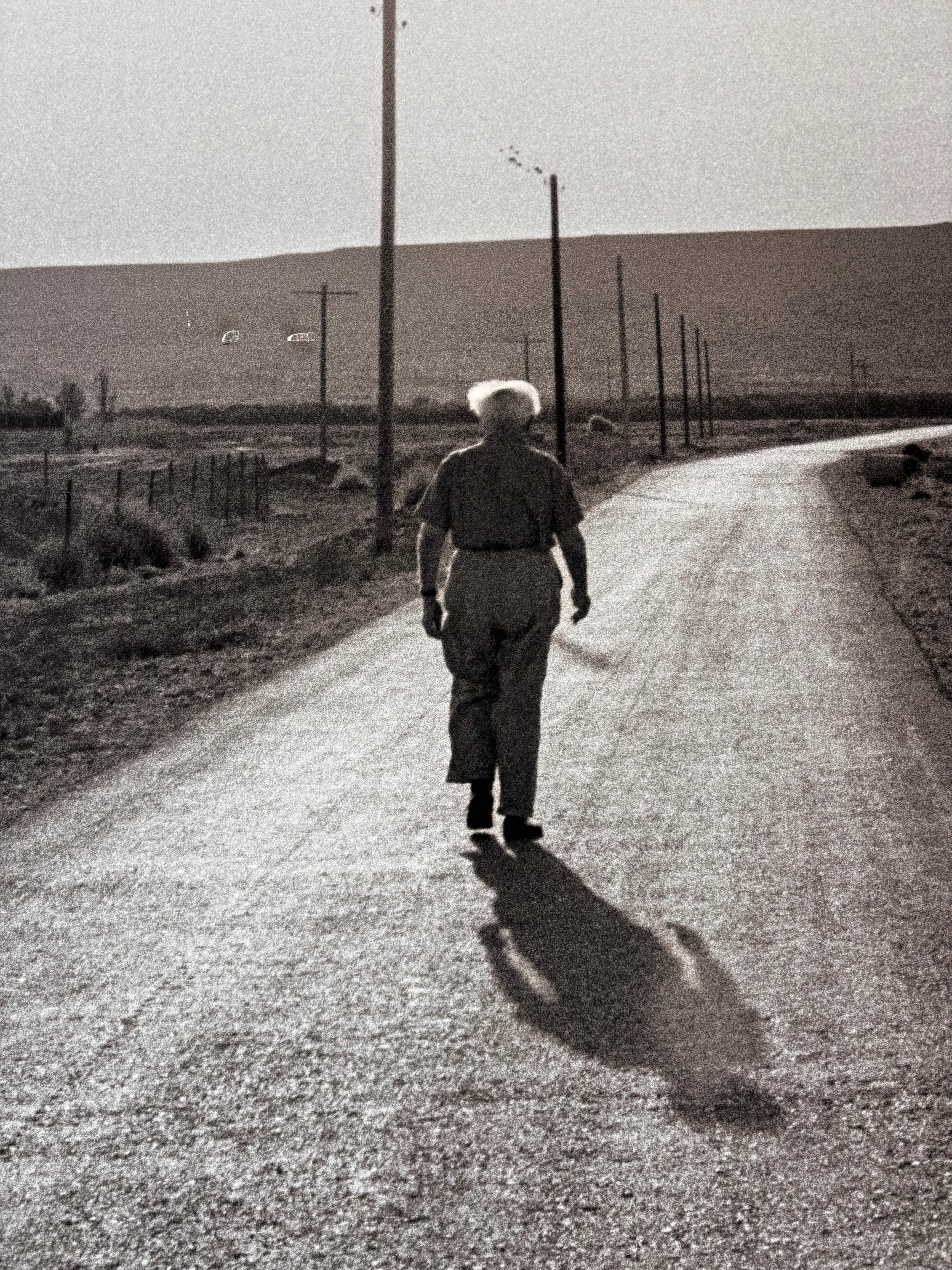
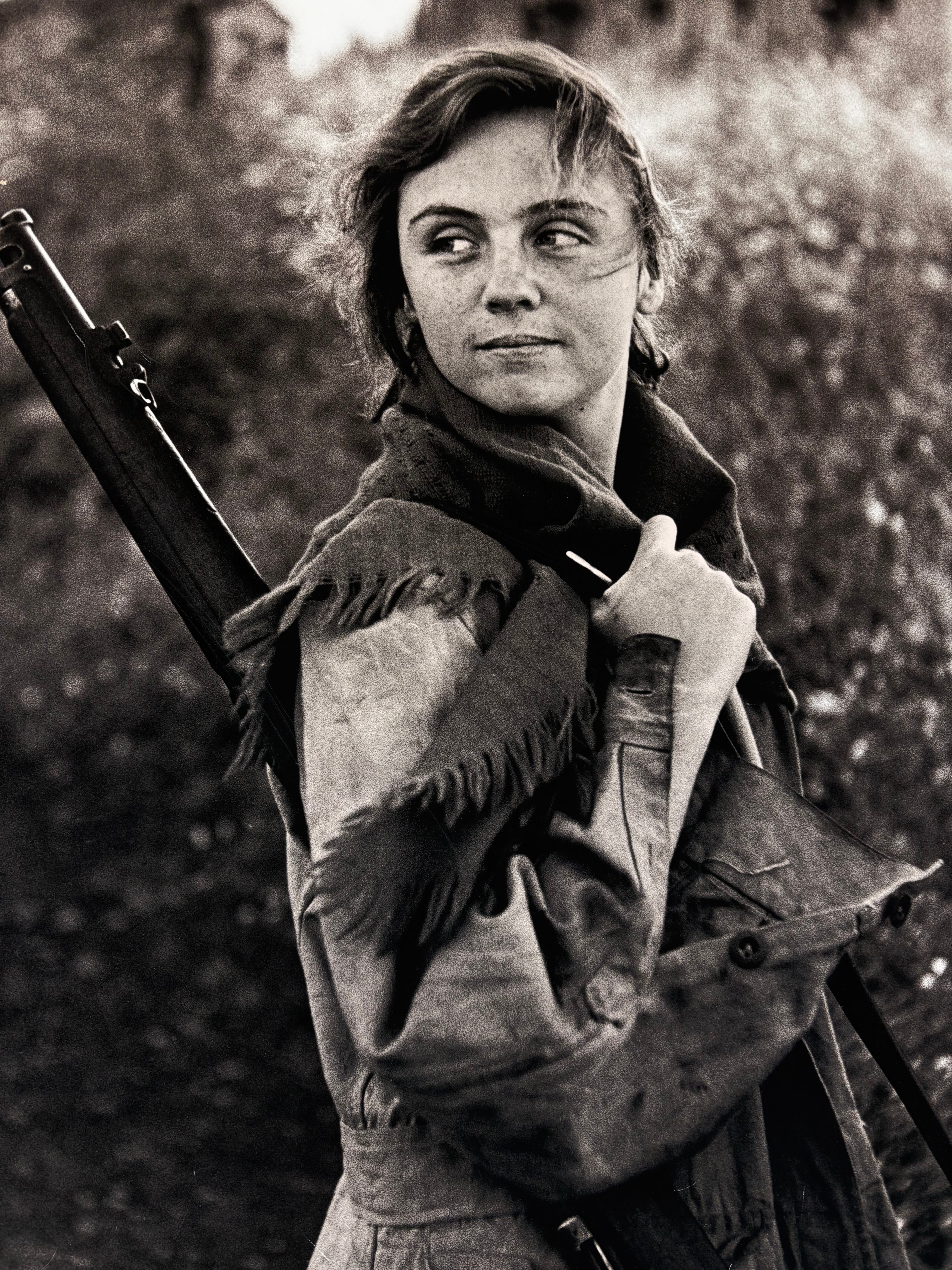
I met Gayle this morning at the corner of Jaffa and King George. We walked through a maze of alleyways and narrow stone streets and emerged across from the dazzling Museum of Tolerance, which opened recently after decades of controversy.
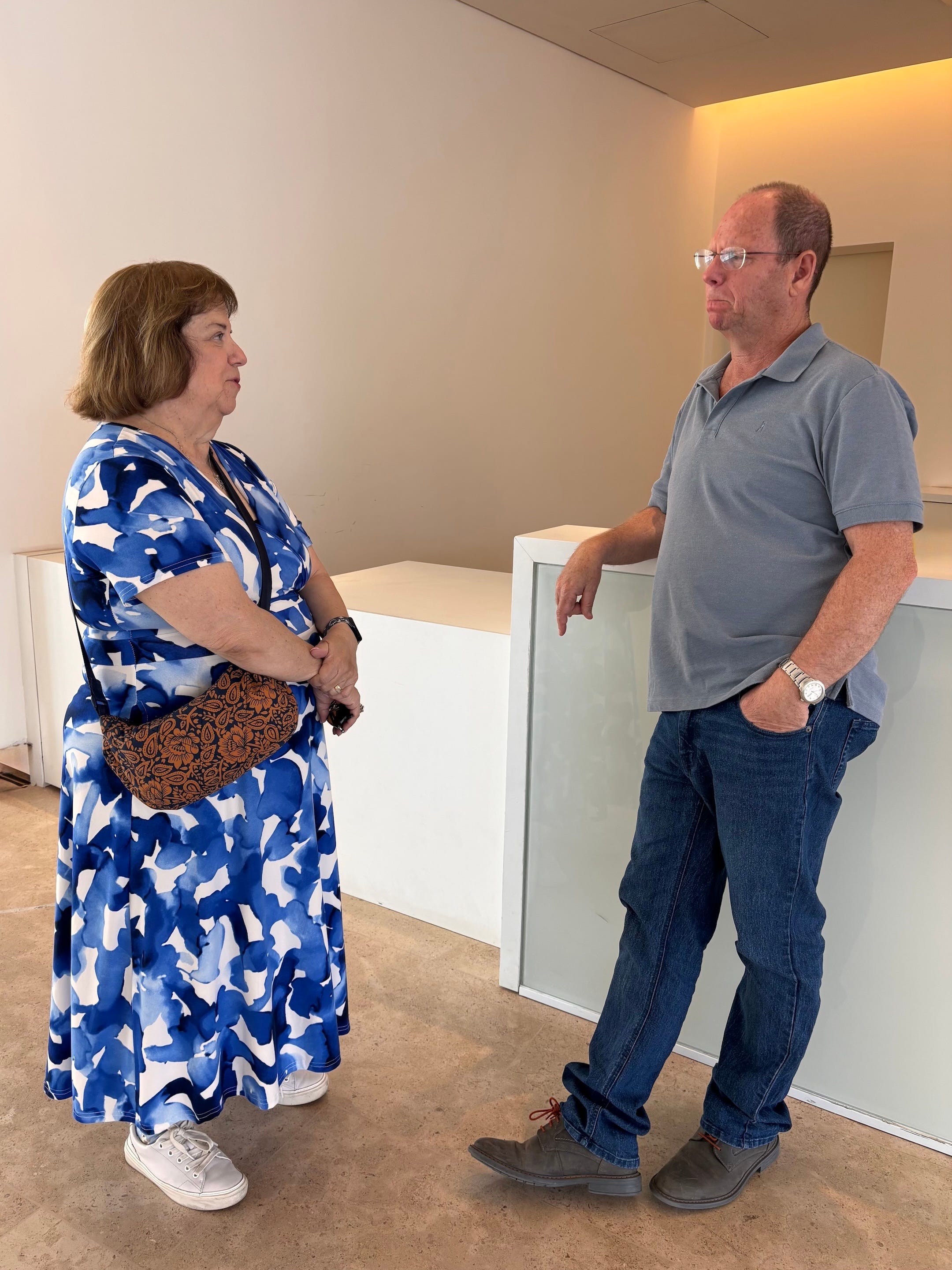
Gayle invited me to join her on a private tour led by Exhibitions Manager Yehuda Kaplan for a small group of mental health professionals who, like Gayle, serve with Tikva by KeepOlim, a vital Israeli nonprofit that provides emotional support for lone soldiers and anyone who makes aliyah.
Inspired by the Simon Wiesenthal Center in Los Angeles and first envisioned in the early 1990s by Mayor Teddy Kollek as part of his hope for a reunited Jerusalem, the project was later revived by Mayor Ehud Olmert, who designated a central downtown site long used as a public parking lot. When bulldozers revealed that the land had once been part of the Mamilla Muslim cemetery, the proposed museum sparked controversy, lawsuits, appeals, and protests that lasted for decades. Its eventual construction required careful legal consideration and respectful handling of human remains.
The original design was commissioned from Frank Gehry, but the celebrity architect withdrew amid the dispute over the site. The building that stands today was designed by Israeli architects Bracha and Mickey Chayutin. Yesterday I learned that Sarah Rose’s brother, a senior partner in a civil engineering firm, consulted on the waterproofing aspects of the project.
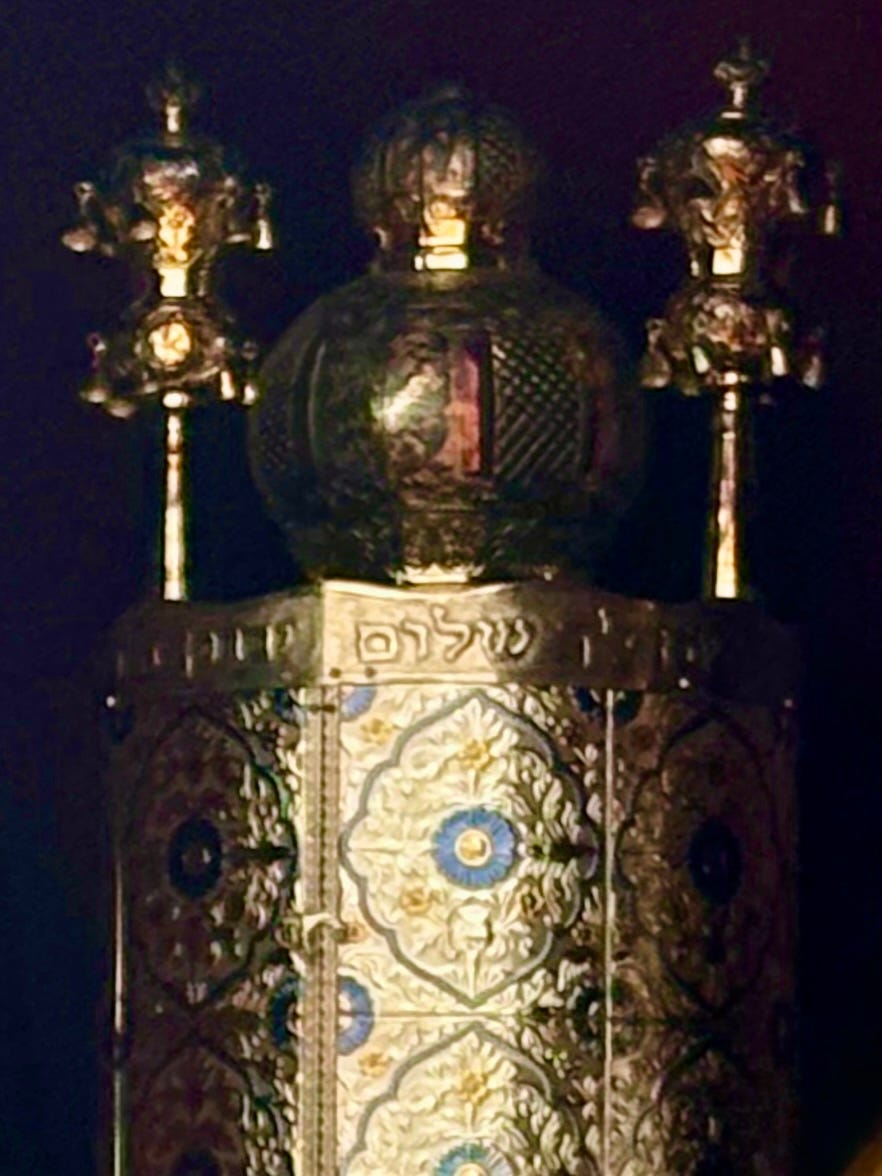
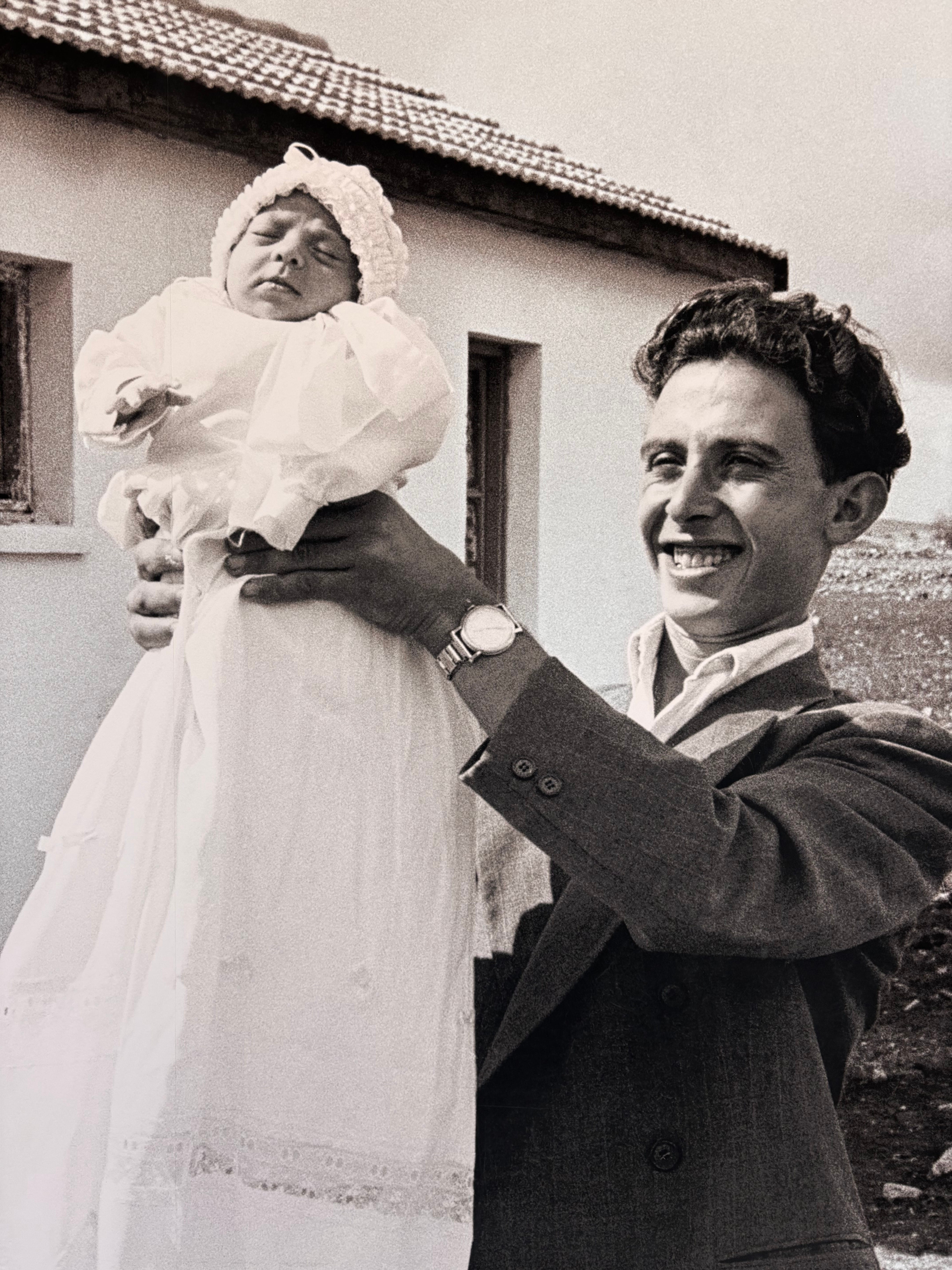
Unlike Yad Vashem or the Museum of Tolerance in Los Angeles, the focus of the Jerusalem Museum of Tolerance is not the Holocaust or antisemitism. Funded entirely by private donors, the museum’s financial independence is central to its identity. It offers a civic, educational, and cultural space open to all communities in Jerusalem. Seeking to foster dialogue, empathy, and social cohesion in one of the most complex cities in the world, it presents tolerance as an active practice of patience, encounter, and willingness to listen—beyond passively tolerating others.
Its programs draw on the Jewish tradition of constructive disagreement, and create opportunities for encounter across deep divides, including dialogue among Haredi, Muslim, Jewish, Arab, Druze, secular, and religious participants. Through exhibitions, leadership programs, social discourse initiatives, classrooms, public events, and community gatherings, the museum aims to be a living space where difference can be met with curiosity, dignity, and courage.
I hope it moves high onto everyone’s list of must-see Jerusalem sites.
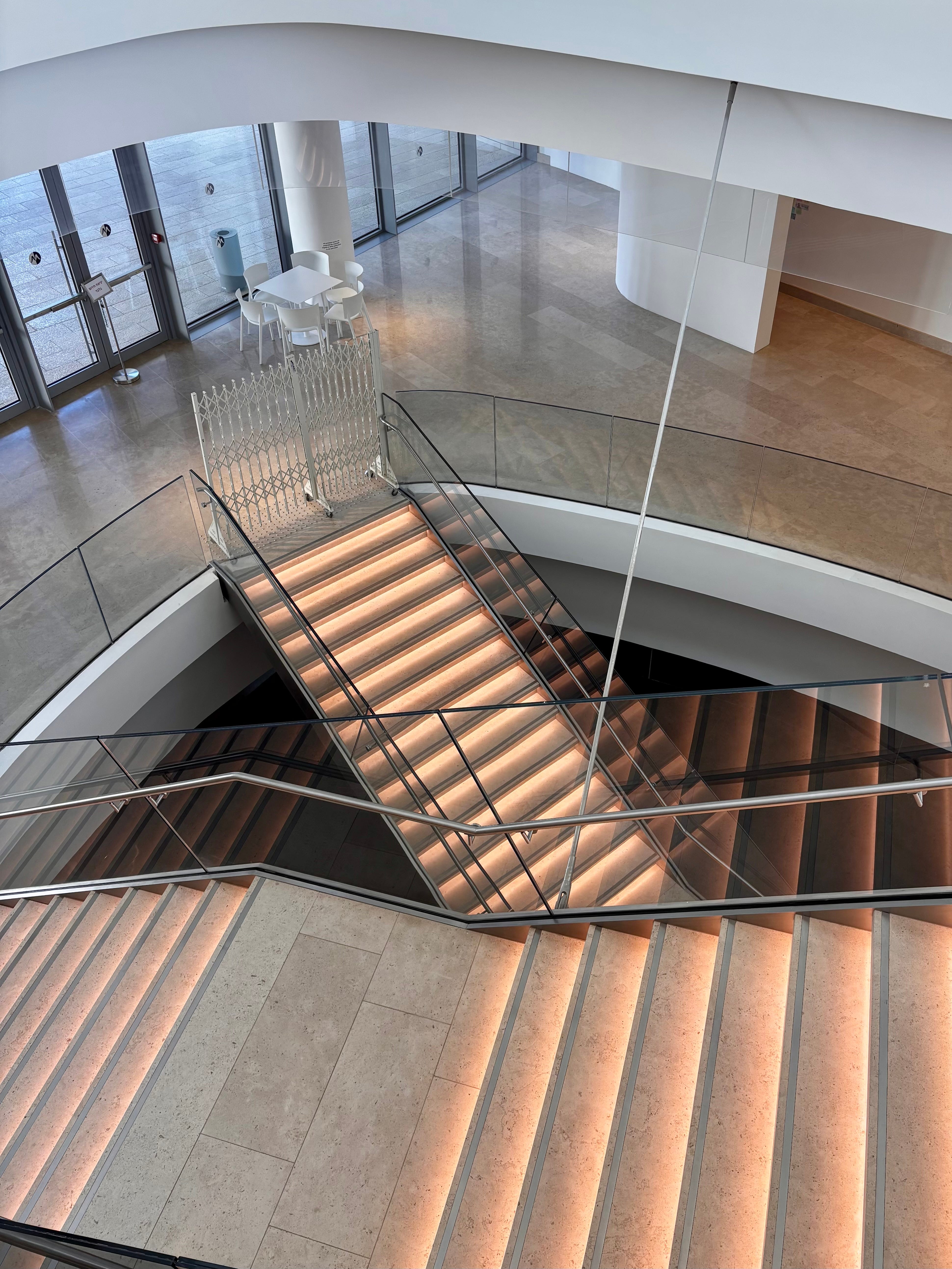
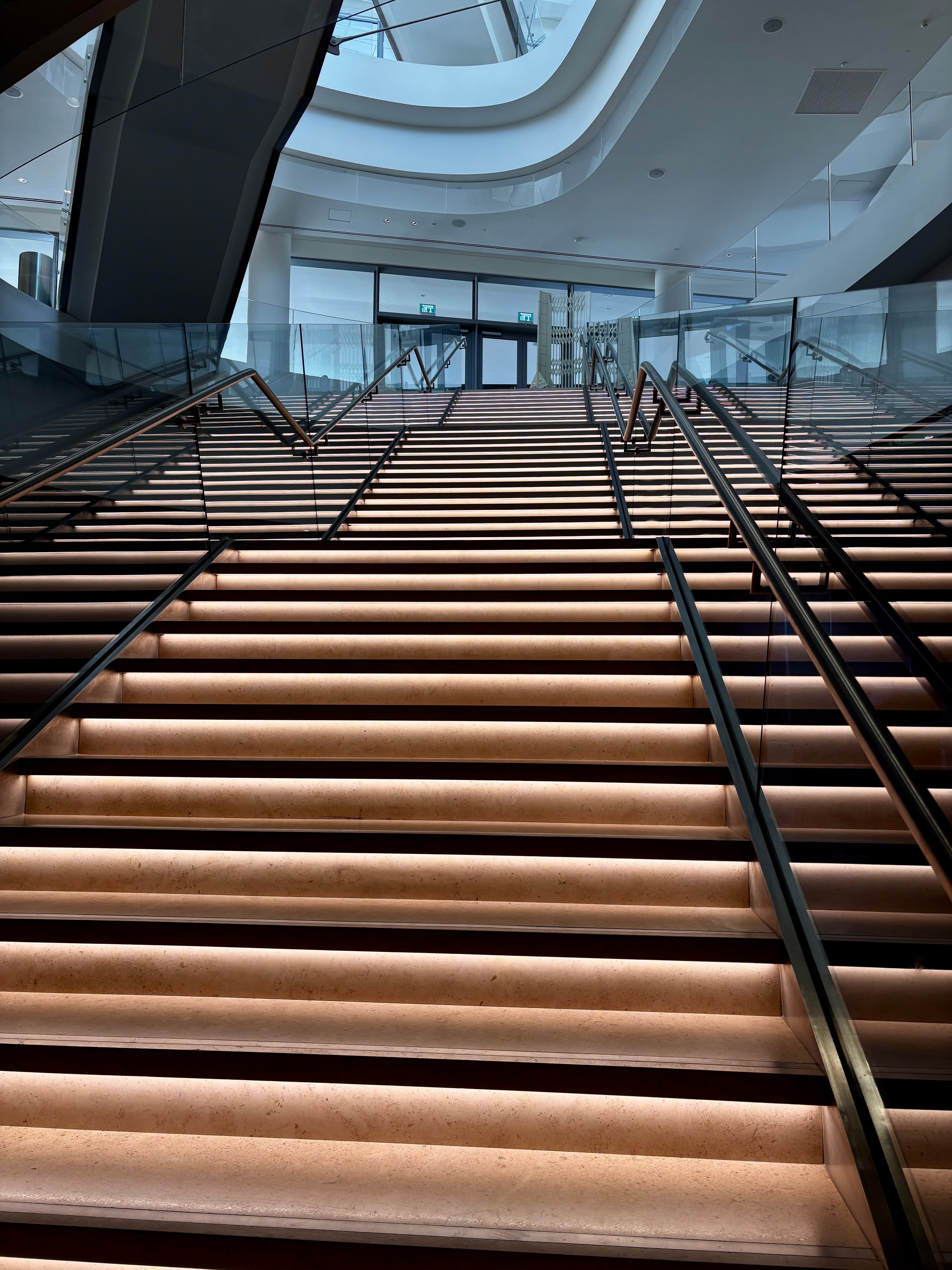
Larry Mizel, the museum’s co-founder, chairman, and primary benefactor, played a crucial role in birthing the project and bringing it to completion. I’m so proud that Larry is part of the Mizel family from Tulsa where I was raised, and a third cousin through my father’s mother. Our grandmothers were sisters.

For many years, his brother Steve, also a lover of Israel, traveled to IDF bases to host massive barbecues for hundreds of soldiers.
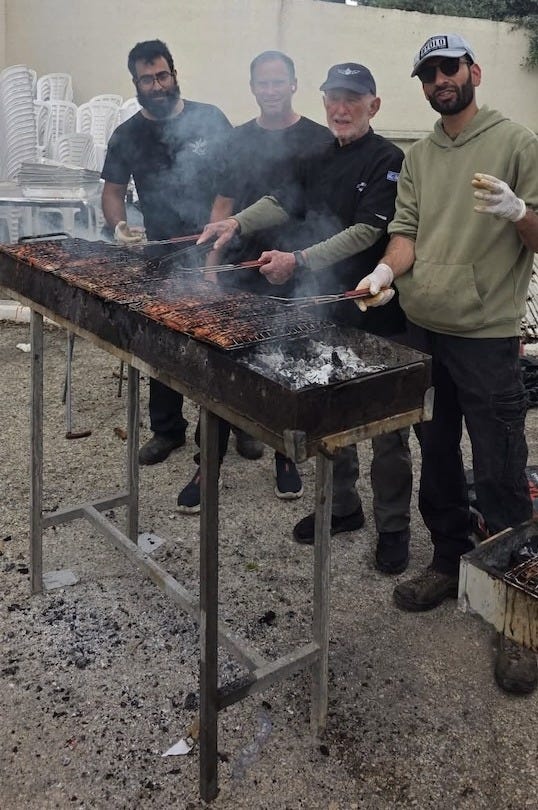
Steve actually came out of retirement this week to host another barbecue in Israel, which I just discovered on Facebook. I was astonished to learn, from his response to my comment on this photo, that we’re on the same El Al flight to LAX right now. He’s sitting four rows in front of me and will come say hello when the seat belt sign is off.
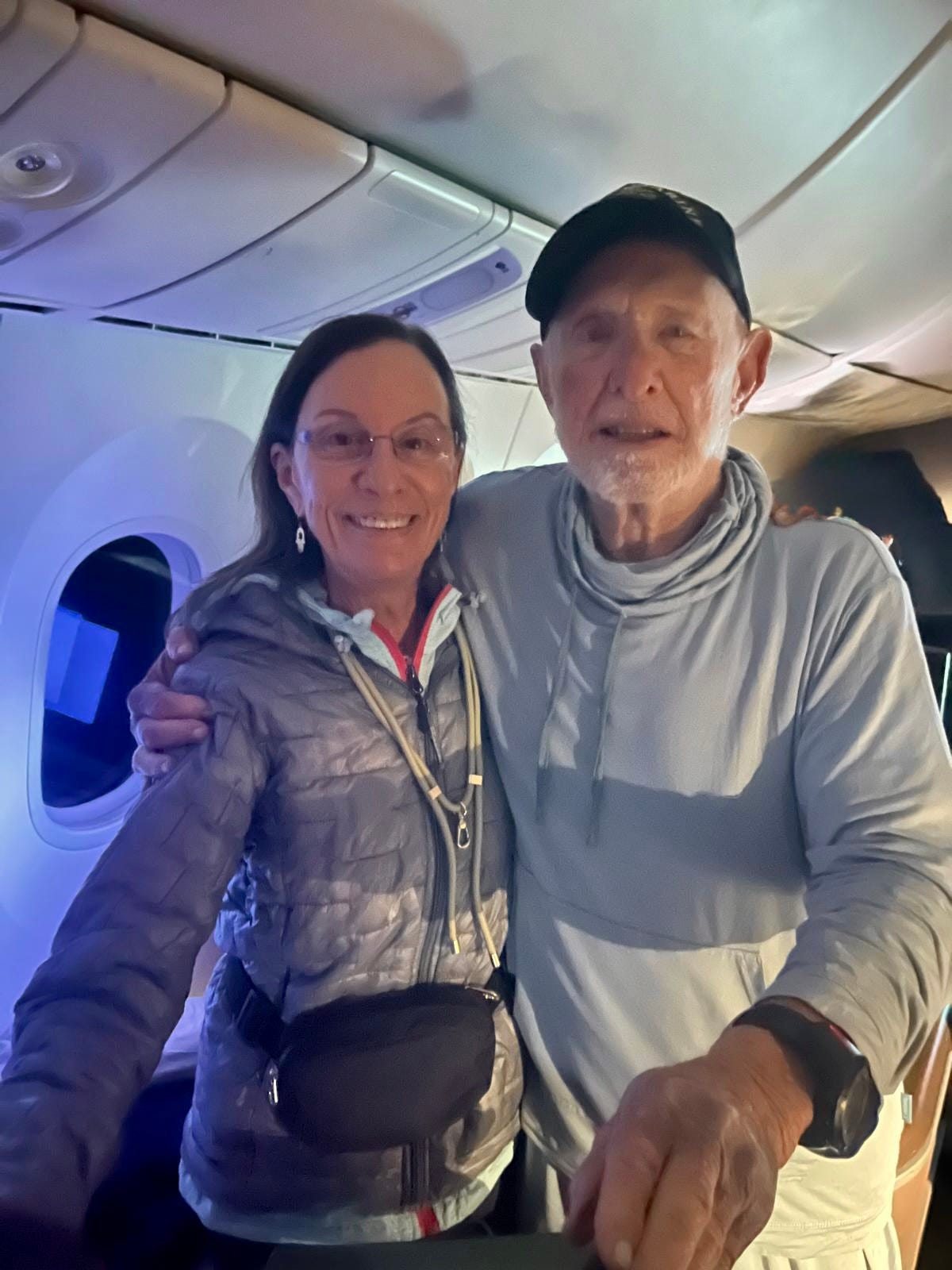
What a small Jewish world it is!
After the deeply moving tour, Gayle led our group of therapists in a wonderful consideration of grief, healing, and how tolerance can be a living practice in our own work, relationships, and communities.
What an astonishingly small world - time, space and relationships.
You were clearly where you were meant to be.
Wow.
As always, moved and stimulated by your writing. Such a wonderful journey you have had both physically and spiritually.